Low Hazard
Eco-Friendly
Made in Britain
Global Shipping
15+ Years Experience

What is the Environmental Impact of using Hazardous Cleaning Products?

There are many scenarios where ordinary cleaning products won’t be enough to do the job.

Industrial sites, commercial kitchens, healthcare environments – just some examples where  heavy duty cleaning products are necessary to achieve the required standards of cleanliness, and to keep people on the site safe.

However, while these intensive products are effective at tackling the issue at hand, it is vital that they are used safely and appropriately. Otherwise, using these products can cause serious environmental consequences.

In this guide, we’ve outlined the cleaning products that pose environmental risks (and outlined the damage that they can cause, if misused). We’ve also shared our advice for finding suitable alternatives (which are better for the environment, but just as effective at cleaning), to help organisations reduce their environmental impact, without compromising on hygiene or safety standards.

Common examples of hazardous cleaning products

Although they are widely recognised as conventional cleaning products, the chemicals in these intensive solutions can pose high risks to the environment, if not used safely, correctly or responsibly.
 
The most commonly used cleaning products that can cause significant environmental damage include:
 
Antibacterial and antimicrobial cleaners
 
Widely used across a huge variety of commercial and public spaces, while these cleaners are great at eliminating microorganisms, their overuse can result in chemical residues causing ecological imbalance.
 
Bleach and chlorine-based disinfectants

 
These cleaners are widely used in healthcare, food preparation areas and sanitation cleaning, as a highly effective solution for eliminating bacteria and viruses. However, if released into water ways, the chlorine compounds present in bleach can be extremely harmful.
 
Ammonia-based cleaners
 
Ammonia is still a common ingredient in glass cleaners and floor products. Although ammonia is a very effective cleaning ingredient, it can cause havoc to the environment, causing serious water pollution and having an extremely negative impact on fish and plant life.
 
Degreasers and solvents
 
These are commonly used in a wide range of settings, including industrial, workshops and commercial locations. Degreasers contain strong solvents, which dissolve oils and fats. However, if these chemicals are present in water that reaches drains (and the water is untreated), these chemicals can be highly toxic to aquatic life.
 
Acid-based cleaners
 
Many types of cleaners – including toilet cleaners, descalers and brick or stone cleaners – contain hydrochloric or phosphoric acid. These cleaners are highly effective at removing challenging issues like limescale, rust and mineral deposits. However, they can cause significant complications to water’s chemistry when released into drains.
 

How do these hazardous cleaning products affect the environment? 

 
These cleaners can negatively impact the environment in a number of critical ways:
 
  • Water pollution – With cleaning chemicals entering rivers, lakes and coastal waters via drains (if wastewater treatment processes don’t fully remove the chemicals)
  • Toxic to aquatic life – Such as fish, invertebrates and plants, with impacts including disrupting reproduction, organisms’ growth and survival rates.
  • Contaminating soil – Hindering plant growth and contributing to environmental degradation.
  • Air pollution – Contributing to reduced air quality (including the formation of smog).
  • Disrupting the natural microbial balances in the environment – As antibacterial chemicals are just as effective as eliminating beneficial microorganisms (which are a key part of healthy ecosystems).
 

Making better choices

 
To ensure you’re using these cleaners in responsible ways, and minimising the risk of environmental damage, we recommend taking the following steps:
 
  • Choosing environmentally responsible alternatives – At Bio8 Industrial Ltd, for example, we offer a huge variety of non-hazardous cleaning solutions, to suit all industries and use cases.
  • Only use harmful products when absolutely necessary – When the task is too difficult for other cleaners to be suitable, and when there are no environmentally responsible alternatives available.
  • Enhance your cleaning processes – Rather than relying on chemicals. For example, try investing in solutions like high-pressure water systems or steam cleaning (which require minimal or no chemicals).
  • Follow manufacturer’s guidelines, to ensure you’re correctly diluting chemicals
  • Dispose of cleaning solutions carefully and correctly – To prevent untreated chemicals from entering drains or soil.
  • Train your cleaning staff – To raise awareness of the risks.
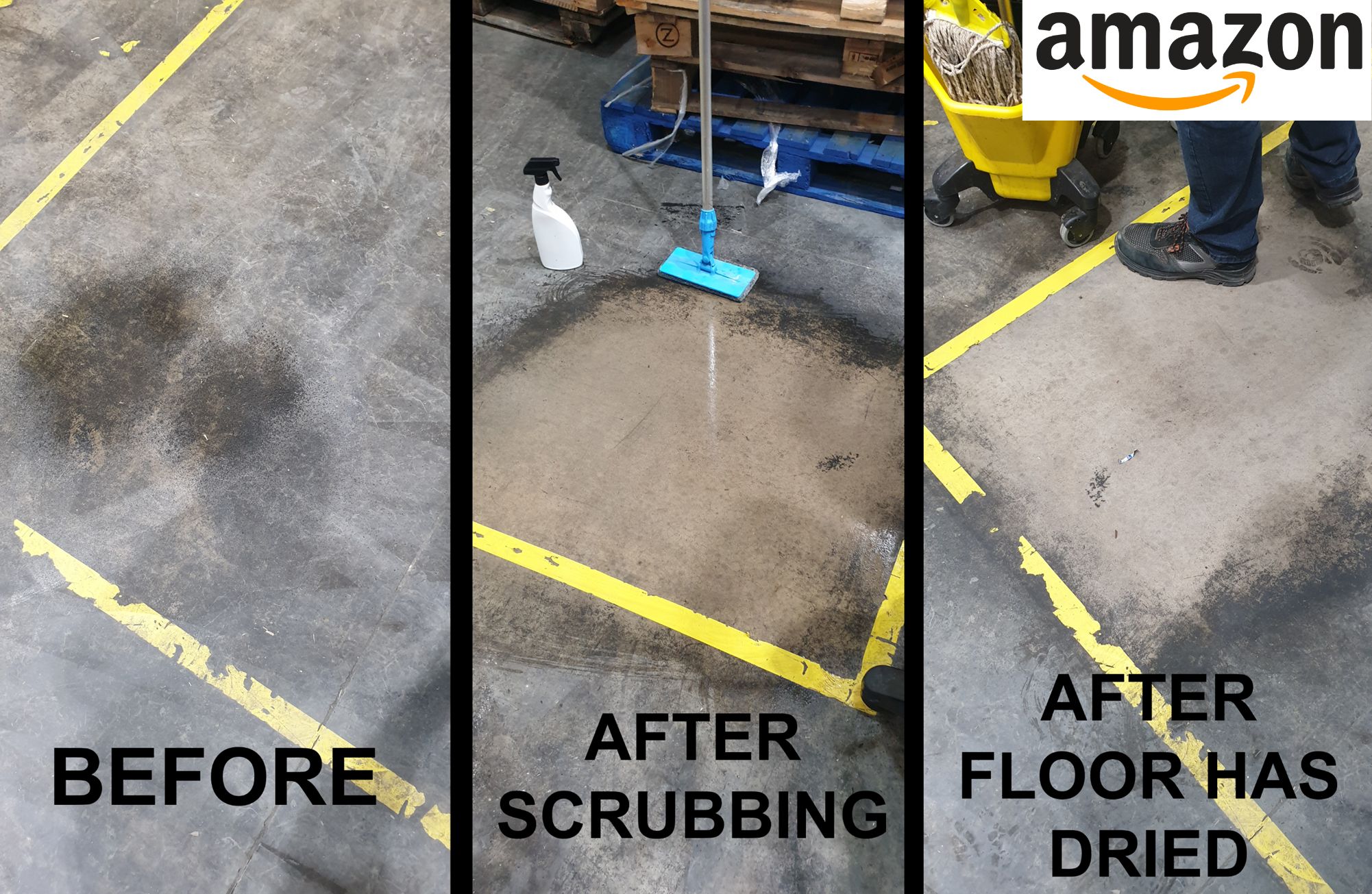
 
If you’re looking for more sustainable alternatives to your usual cleaning solutions, Bio8 Industrial ltd is on hand to help.
 
We specialise in premium quality, high performance cleaning products, which are non-hazardous by design. To find out more, or to place an order for your site, don’t hesitate to get in touch.